In electrical engineering, high voltage testing is a process that is used to ensure the safety, efficiency, and reliability of electrical components, equipment, and systems like electrical machines, circuit breakers, insulators, etc. under high voltage conditions.
The high voltage test of the AC/DC Power Adapter and Battery Charger refers to the withstand voltage test of the power adapter under certain voltage conditions to verify its insulation performance and high voltage resistance. This test mainly detects whether the power adapter can work normally and does not cause safety problems by applying high voltage. High voltage testing involves procedures to ensure that electrical equipment can withstand various voltage stresses during its operational lifespan.
During high voltage testing of electrical equipment, several different types of tests are performed.
The Insulation Resistance Test. By measuring the insulation resistance of the power adapter at an appropriate voltage, it can be verified whether the insulation performance meets the standard requirements. The purpose of this test is to determine the electrical resistance of the insulation material used between the conducting components and the earth or ground
The Dielectric Breakdown Test. The dielectric test of electrical equipment is an important testing method to evaluate the electrical insulation property of the insulating material used in the equipment. In this test, we mainly determine the maximum value of the voltage that the insulation material used in the equipment can handle without breaking down. This breakdown voltage value is crucial to ensure the safety and reliability of the equipment.
The High Frequency Test. The insulators used in high voltage transmission systems, may be subjected to breakdown or flash - over during high frequency disturbances. The high frequency disturbances occur in the HV system due to switching operations or any other external causes. High frequency in power may cause the failure of insulators even at comparatively low voltage due to high dielectric loss and heating.
Detecting the electrical safety of power adapters. High-voltage testing is mainly used to detect the electrical safety of power adapter. By applying high-voltage current to detect the electrical insulation performance of equipment or materials, if leakage is detected, it means that the power adapters or materials have safety hazards and need to be replaced or repaired in time to ensure the safety of electricity use.
Improve the quality of our power adapters. Through high-voltage testing, possible defects in the equipment can be detected, such as defective holes, bubbles, pipe wall thickness defects, etc., which helps to find problems and repair them, and improve the quality and stability of our products.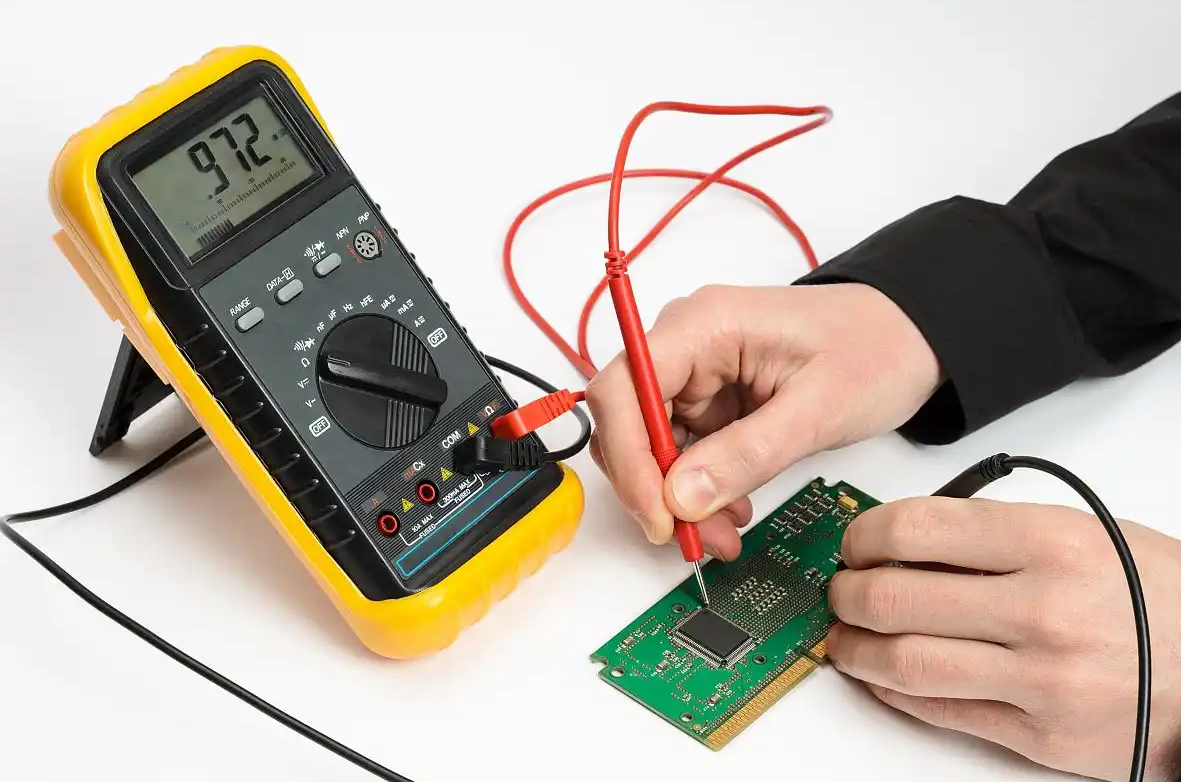
Detecting the insulation performance of materials. High-voltage testing can also be used to detect the insulation performance of materials, such as insulating pads, insulating coatings, insulating sleeves, etc. By applying high voltage testing, it is determined whether the insulation performance of insulating materials meets the requirements.
Improve work efficiency. High-voltage testing can be carried out relatively quickly, with a wide range of detection, and minimal damage to power adapters or materials, which can effectively improve work efficiency.
The formulation and implementation of high-voltage test standards are of great significance to ensuring the safety of power adapters. Only by strictly complying with high-voltage test standards and ensuring that the power adapter passes the test can the potential risks of power adapter failure and accidents be effectively reduced, ensuring the safety and reliability of users when using our products.
KELIC was established more than 20 years ago, specializing in the development and production of AC/dc power adapter, Battery Charger and Industrial Power Supply. Our commitment to quality and customer satisfaction has helped us build a good reputation in the international market.


